Getting to and around the Cotswolds
Whilst it might initially seem a bit daunting, getting to and getting around the Cotswolds is actually quite straightforward.
The Cotswolds is served by a comprehensive network of road and rail links making it an easy area to get to from London, the Midlands and the South West.
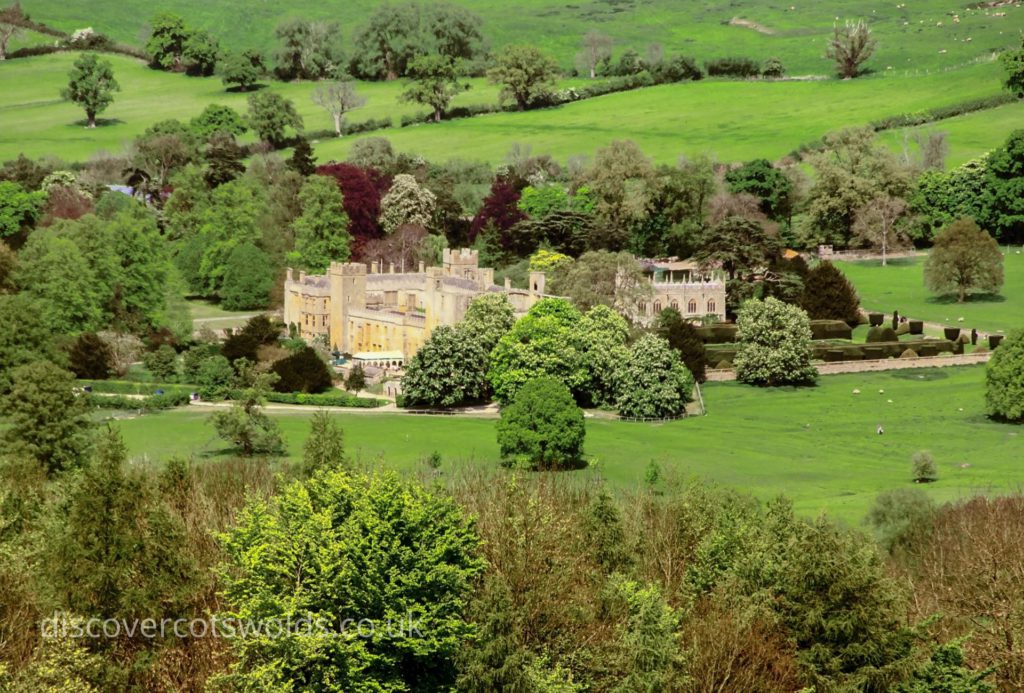
The area is also an excellent base for touring, as it’s ringed by Bath, Oxford, Stratford-upon-Avon, Cheltenham and Gloucester.
Explore the Cotswolds by Public Transport Guide is an invaluable information resource to travelling around the Cotswolds by bus and train. Produced by the Cotswolds Conservation Board, the guide includes taster walks and cycle rides, attractions and places to visit.
You can pick one of these guides up at one of the many visitor information centres in the and around the Cotswolds. Please check times and details with individual bus operators before travelling.
The Cotswolds Conservation Board does not accept liability for inaccuracies, changes to services or timetables, or omissions arising from the information contained within this publication.
Or check our our guide to help you plan a car-free trip around the Cotswolds
To view the online timetables please visit Traveline.com
Cotswolds Discoverer One Day Pass
The Cotswolds Discoverer is a one day combined ticket that provides access to the Cotswolds by public transport (train and bus) and is a great way to get around without needing a car.
For more information visit https://www.cotswoldsaonb.org.uk/visiting-and-exploring/cotswolds-train-station/discoverer-one-day-pass/
By Rail
The Cotswolds are at the heart of the British Rail network with main line trains to the Cotswolds from London, the Midlands and the North and the South West of England.
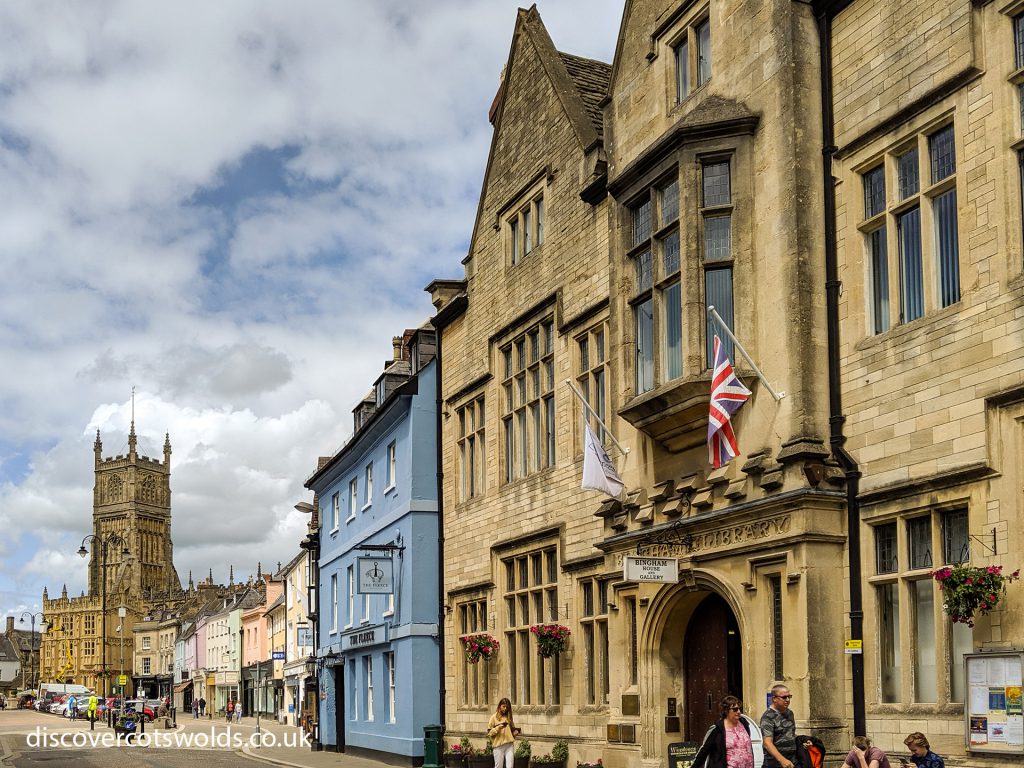
There are main line railway stations at Bath, Cam and Dursley, Cheltenham, Gloucester, Kemble (serving Cirencester railway station), Moreton-in-Marsh, Stroud, Charlbury, Kingham and Oxford.
There are regular rail services through the area:
- Between London Paddington and Cheltenham via Swindon, Kemble, Stroud, Stonehouse and Gloucester
- Between London Paddington and Moreton in Marsh via Kingham, Charlbury and Oxford – read about things to do near Moreton in Marsh
- Between Cardiff and Cheltenham via Gloucester
- Between Birmingham and Bristol via Cheltenham, Gloucester and Dursley
For detailed rail information and prices of train tickets to the Cotswolds, please visit the following sites:
www.nationalrail.co.uk or www.thetrainline.com
Live Train Information
Click on the links below to give you live train information for stations in the Cotswolds:
The Cotswolds and Malverns rail line runs between Oxford and Hereford and takes in northern parts of the AONB along its route.
To find and book train connections to the Cotswolds from across Europe and the UK, follow Omio.
By Bus
The Cotswolds is easy to get around by bus with many local bus services linking main towns throughout the area, including the RailBus services linking to the Cotswolds & Malverns Line trains.
For further information:
- www.pulhamscoaches.com
- www.traveline.info
- Gloucestershire County Council – transport and travel pages
- Oxfordshire County Council – transport and travel pages
- Visit Worcestershire – travel information for visitors to and from the Worcestershire area.
By Road
The Cotswolds is served by excellent links to the M4, M5 and M40, providing easy access to and from London, Birmingham and the national motorway network.
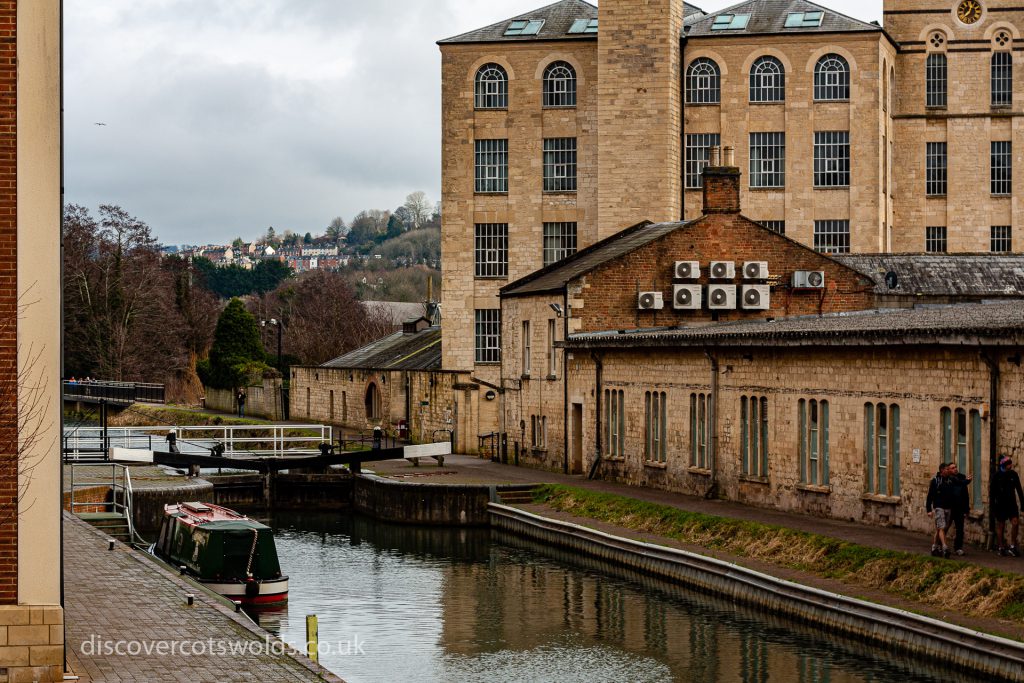
So if you are visiting the Cotswolds villages, like Bourton on the Water, Broadway, Bibury, etc this guide will help you choose the best way to get here and get around once you have arrived.
Arriving by air
There isn’t really an international airport in the Cotswolds, so flying in means choosing the one that lands you nearest the part you are heading for, then a train, coach or car for the last stretch. Which one counts as nearest depends on which end you want. The north and centre sit closer to Birmingham, the south and west are an easier run from Bristol.
Birmingham
Birmingham is the simplest for the northern and central Cotswolds, roughly 40 miles and under an hour by road. It also has the best rail link of any of the airports, so it is the one place you can arrive without a car and not regret it: a two-minute monorail to Birmingham International station, then a train down to Moreton-in-Marsh vvia Oxford, changing once, in roughly two to two and a half hours, or across to Cheltenham Spa.
Bristol
Bristol is the counterpart for the southern and western Cotswolds, around 50 miles and an hour to an hour and a half by road, and the usual arrival point for European flights. There is no station at the airport, so the car-free route is the National Express coach to Cheltenham. It runs through the day and night and takes about an hour and a half. Check current fares before you travel.
Heathrow
Heathrow is where most international visitors land, about 80 miles and roughly an hour and a half by road. There is a rail option using the link bus to Reading and then the Cotswold Line, but for most people the direct National Express coach to Cheltenham is simpler. It runs several times a day and takes around two hours.
Gatwick
Gatwick is the awkward one. It is the furthest of the London airports, well over 100 miles and more than two hours by road, and there is no clean way in by public transport: the train means changing at Reading and takes the best part of three and a half hours, or you go in and back out through central London. If you land at Gatwick with luggage, a group, or at an hour when the connections have stopped, a pre-booked car or airport transfer is usually the thing that actually works.
Smaller airports
The two local airfields turn up in searches but carry almost no scheduled flights. London Oxford handles private and business aviation only. Gloucestershire Airport at Staverton, ten minutes from Cheltenham, takes charter flights and a few routes from Belfast, the Isle of Man and Jersey, so it is worth a look only if one of those happens to suit you.
On Foot
If you have the time, you can even arrive on foot. Two long distance trails connect the Cotswolds to the wider country: the Cotswold Way runs just over 100 miles between Bath and Chipping Campden, while the Great West Way traces a route all the way from London to Bath. It is slower than the train or the bus, but for walkers it’s about the journey, not just the destination. See our full guide to Cotswolds walking routes to plan a leg.