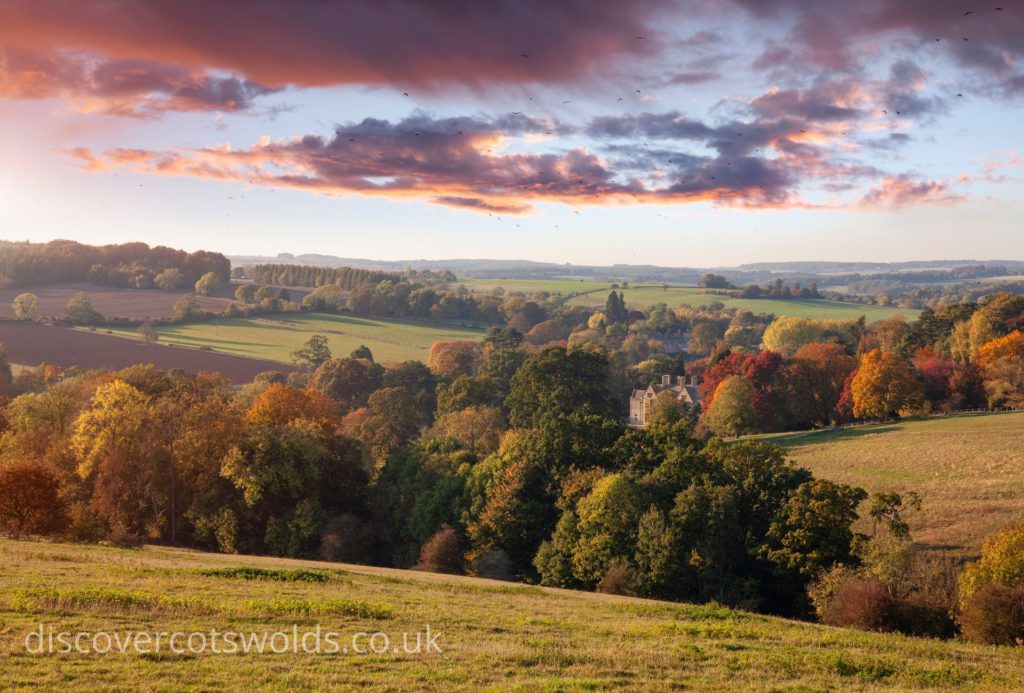
Stow-on-the-Wold sits on top of an 800 foot hill where the main roads through the Cotswolds meet, including the Fosse Way, which the Romans laid out and the A429 still follows. It is the highest town in the Cotswolds, and there is an old rhyme about what that means in practice:
Stow-on-the-Wold, where the wind blows cold, Where horses young and old are sold.
It runs on for another four lines, most of them fairly rude about the people who live there.
About 2,000 people live in the parish. The square is still the town centre, as it has been since Norman lords laid the town out on the hilltop to catch the trade coming off the roads, and almost everything a visitor comes for, the pubs, the antique shops, the church, is a few minutes’ walk from it. Stow is also one of the busier stops in the north Cotswolds & the square is rarely empty. If you want it to yourself, you need to be there early.
If Stow is your first stop, our guide to the Cotswolds covers the rest of the route.
A short history of Stow
Stow is a planned town. Maugersbury, just to the south east, was probably the original settlement of the parish, and Stow was built up on the hilltop nearer the crossroads to take the passing trade. It is often said to have started as an Iron Age fort on the same defensive position, which is plausible given the spot, but it is a claim rather than a settled fact. The burial mounds scattered around the area are Stone Age and Bronze Age, so they do not settle it either way.
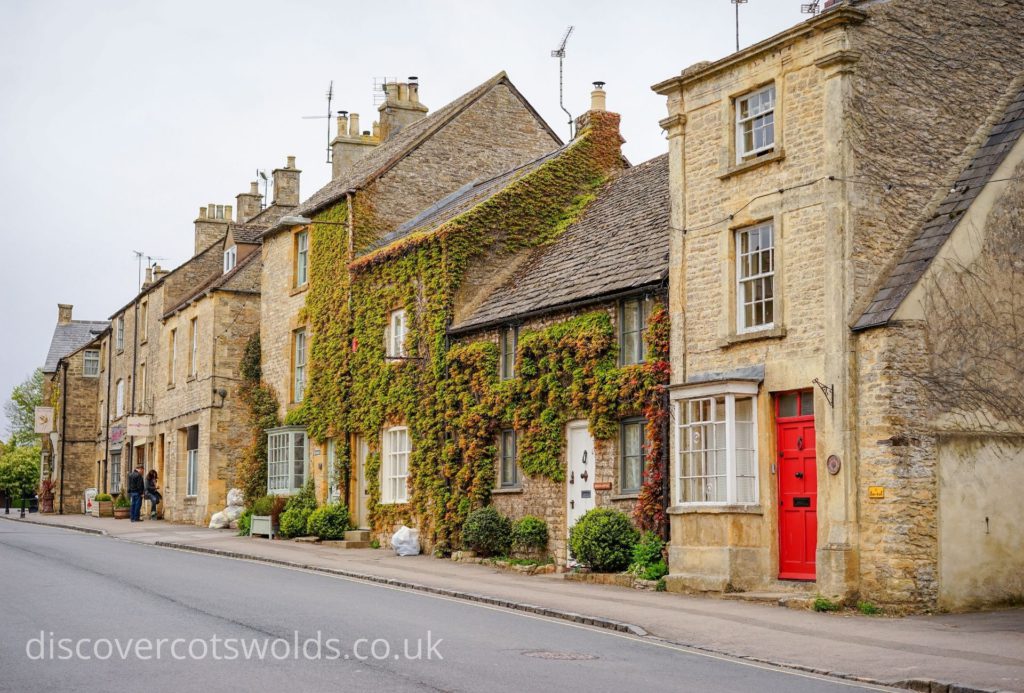
The first weekly market was granted in 1107 by Henry I, who decreed that the proceeds go to Evesham Abbey. In 1330 Edward III granted a royal charter for a seven day fair each August, at which sheep and horses could be sold. In 1476 Edward IV replaced it with two five day fairs, one running either side of the feast of St Philip and St James in May, the other either side of the feast of Edward the Confessor in October. Those are still roughly the dates the horse fair runs on.
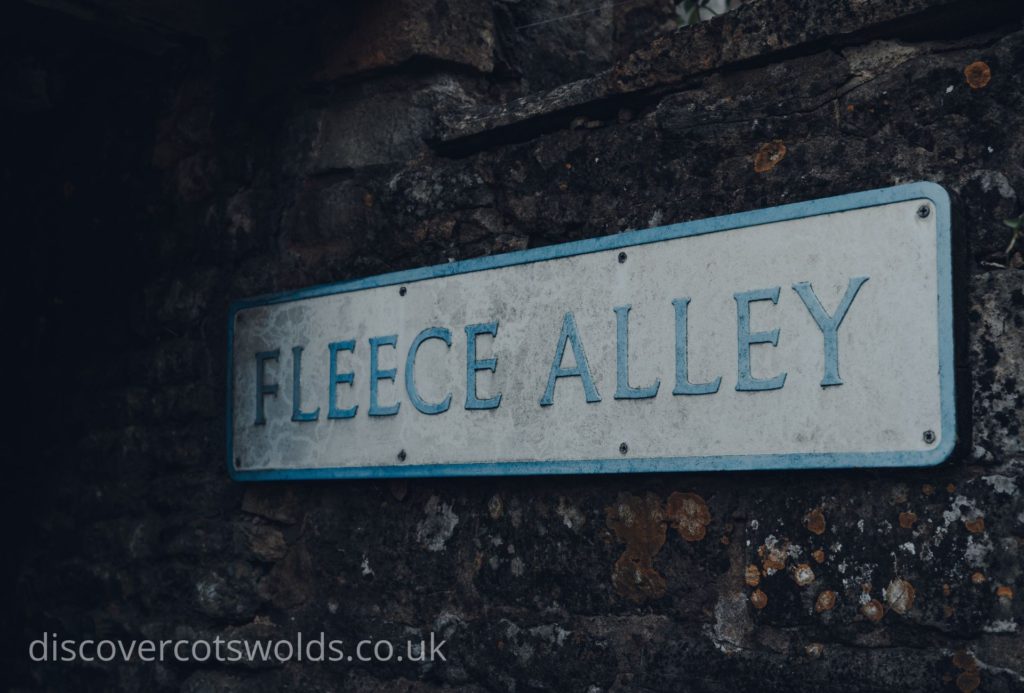
The wool trade did the rest. Daniel Defoe reported in the 18th century that 20,000 sheep were sold at Stow in a single day. The narrow alleys running between the buildings into the square are called tures, and they were used to funnel the sheep in.
From the mid 19th century the corn merchants did their trading at the Talbot on the square. As the wool trade declined the dealing shifted to horses, and that is the fair that survived.
The town was originally called Edwardstow, after its patron saint, probably Edward the Martyr, who was King of the English from 975 until he was murdered in 978. Stow is from the Old English stōw, meaning place. A wold is high open ground, as in Cotswold.
The Battle of Stow-on-the-Wold
On 21 March 1646, Sir Jacob Astley was marching a Royalist force towards Oxford when he was intercepted about a mile north of the town by Parliamentarian troops under Colonel Thomas Morgan. The Royalists had some early success and were then overwhelmed and routed. They fell back into Stow itself, fighting through the streets, and surrendered in the market square. It was the last pitched battle of the First Civil War.
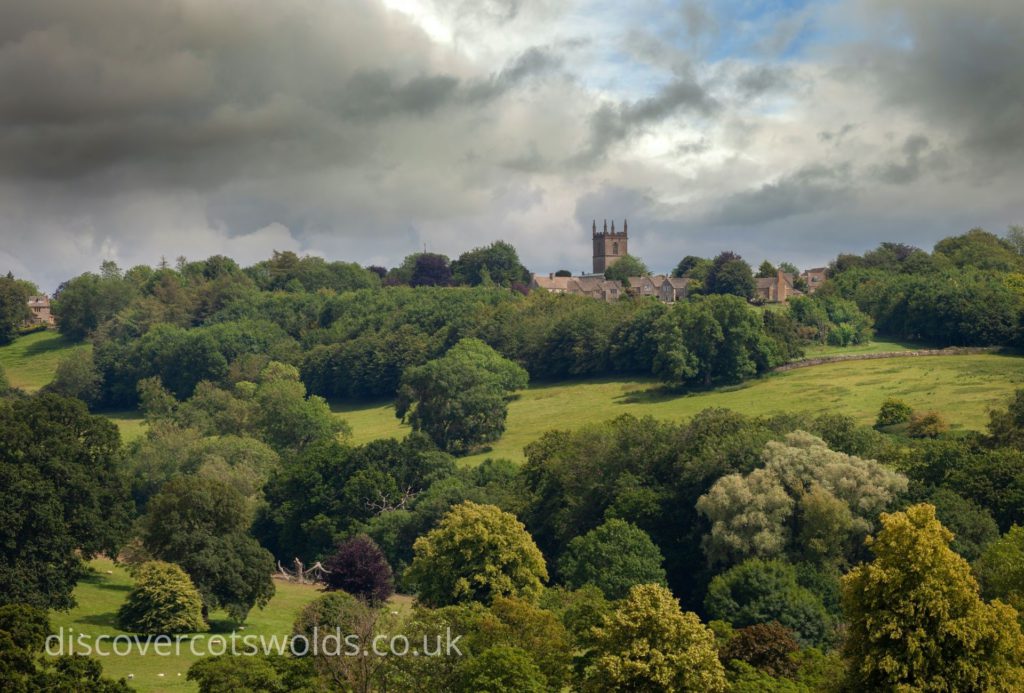
Hundreds of prisoners were held in St Edward’s Church afterwards. The church had already been damaged in an earlier skirmish in the area.
There is a viewpoint marker near the top of the hill, beside the footpath towards Donnington.
St Edward’s Church and the yew door
The north door of St Edward’s is flanked by two ancient yews that have grown around the frame until the door sits in a sort of arch of trunks. The story that it gave Tolkien the idea for the Doors of Durin at Moria gets repeated everywhere, including on the Atlas Obscura entry linked above, but it is a story rather than a documented one. The door is on the north side of the church, and it is the trees rather than the door that people are photographing.
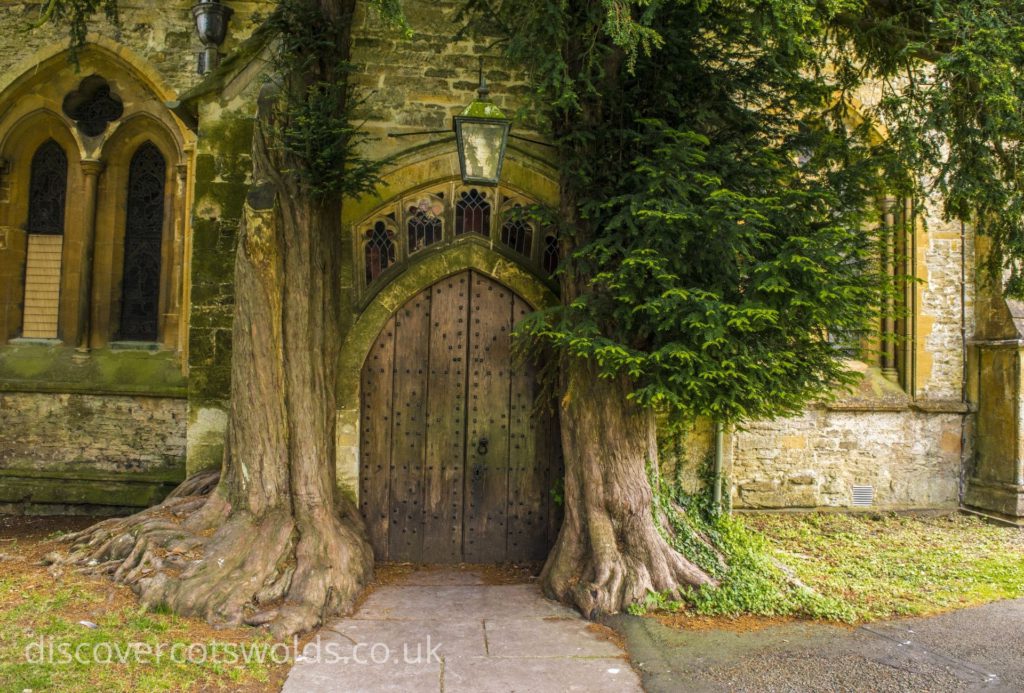
John Entwistle, bass player with The Who, bought Quarwood on the edge of Stow in 1976. His funeral was held at St Edward’s in 2002.
The square and market day
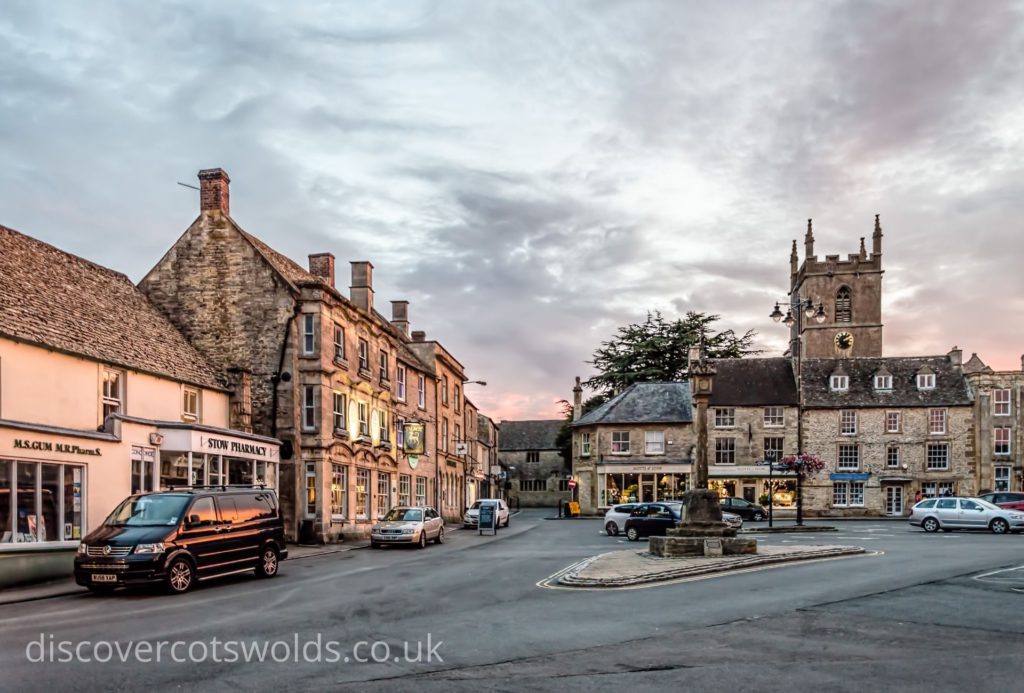
Most of the buildings around the square are 18th and 19th century. St Edward’s Hall, the building standing in the middle of it, is now the town library.
The market runs on the second and last Thursday of the month from May to September, and on the second Thursday only from October to April. It goes ahead in rain or shine but the dates do move, so check the traders’ own listing before you plan around it.
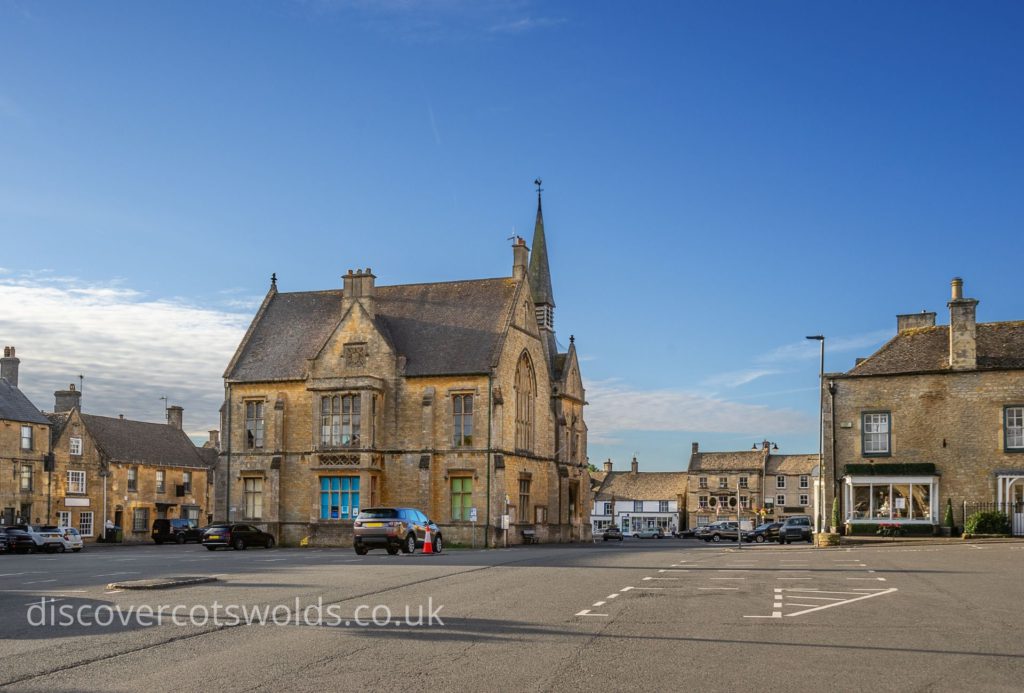
If you turn up on a day with no market you have not lost much, because the shops the market competes with are open anyway.
Stow Horse Fair
The horse fair still runs twice a year, in May and October, and it is the one date in the year that changes the town completely. It is no longer held in the square. It moved out to a large field towards Maugersbury, on the edge of town, and it draws Traveller families from across the country. Horses are shown, traded and sold, alongside riding displays.
Worth knowing what that means if you are planning an ordinary visit: the roads around Stow block for hours, and a good number of pubs and shops for two or three miles around close for the duration. If you want a quiet look round the antique shops, pick a different week.
Where to eat and drink in Stow
For a town this size there is a lot of choice, at most budgets.
The Old Butchers has been in the old butcher’s shop since 2005. It mostly serves seafood. Dover sole meunière, Cornish mussels, and a well regarded beef rump for anyone who did not come for fish. It is one of the better known restaurants in the Cotswolds. Closed Sundays and Mondays.
The Queen’s Head is on the square and is run by Donnington Brewery, so the beer is the local one. The food is pub food done properly: steak and ale pie, ham and eggs, sausage and mash. Dogs welcome.
Sheep on Sheep Street is the restaurant inside The Sheep. Wood fired sourdough pizzas, a Sunday roast, a long curved bar and a garden terrace.
The Talbot is on the square and is Grade II listed. From the mid 19th century it was where the corn merchants of the district did their business.
For something smaller, Huffkins does its own blend of tea and lardy cakes, and there is Coach House Coffee, The Hive and Lucy’s Tearoom, which does breakfast, lunch, afternoon tea and a plant-based menu.
The Old Stocks Inn does modern British cooking with local produce, and has rooms as well.
Where to stay in Stow
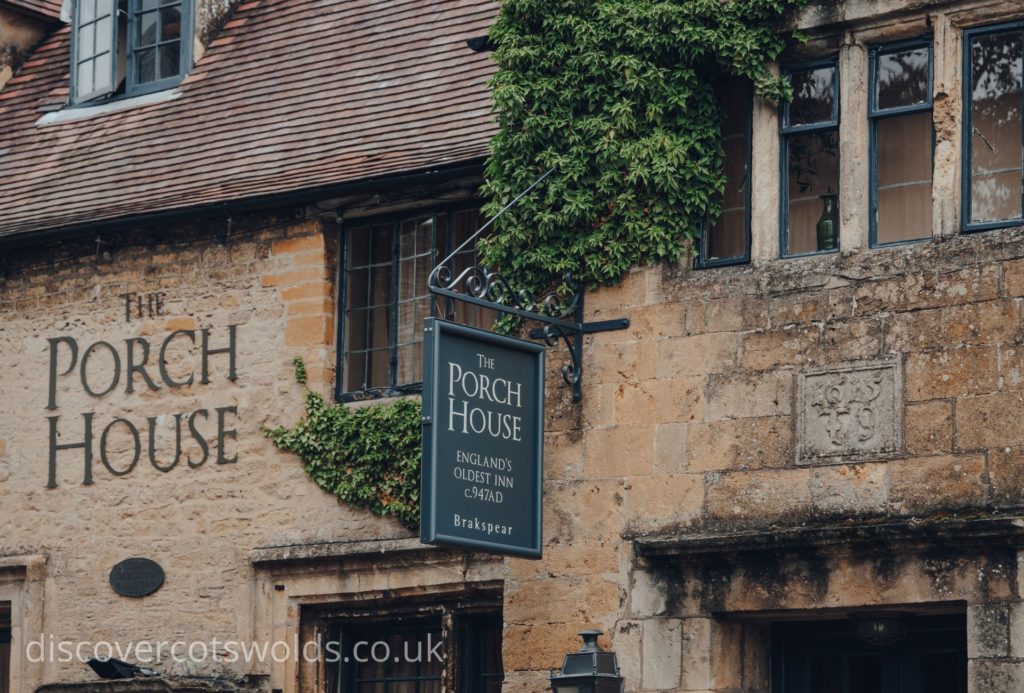
The Porch House claims to be the oldest inn in England, from 947, and CAMRA lists it under exactly that title. Timbers in the building have been carbon dated to around 1000, which is old by anyone’s standards, though the 947 date itself is traditional rather than evidenced. Treat it as a very good story with genuinely old timber holding it up.
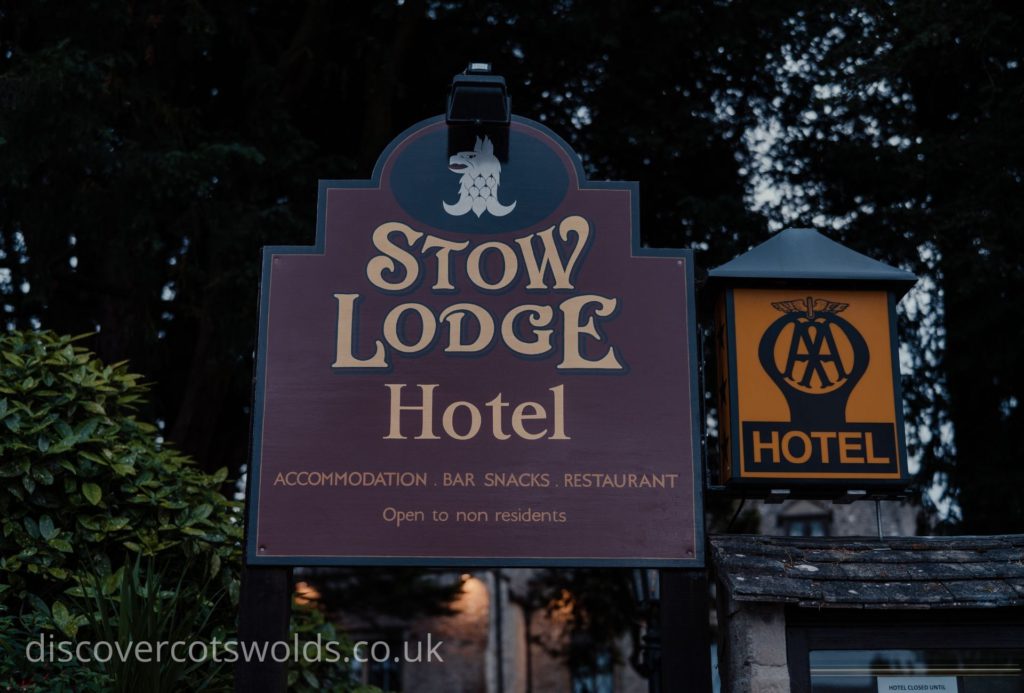
Stow Lodge Hotel is family owned, overlooks the market square and has a garden that they make a point of in spring and summer.
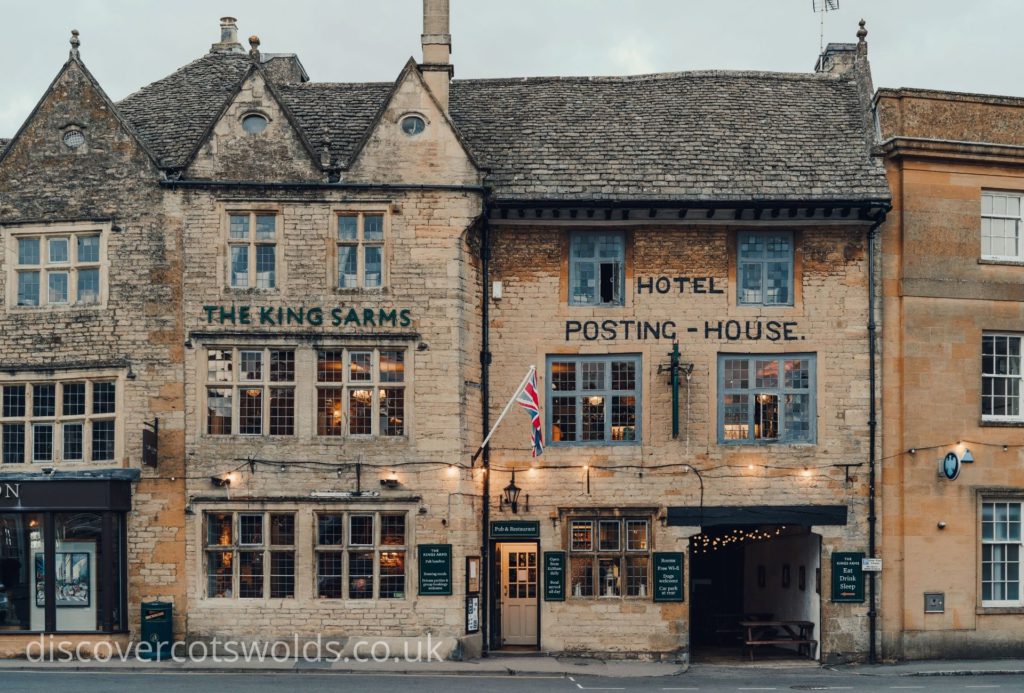
The Kings Arms has seven bedrooms, several looking out over the square. The building is over 500 years old and some of the rooms are not suitable if you are less mobile, so ask when you book.
The Stag at Stow has 13 rooms in a restored Georgian town house, each individually decorated with its own bathroom or shower room. The Lodge House holds the larger suites, which suits families.
Also in town: The Bell Hotel and The Old Stocks Inn. Check current prices, they move a lot in season.
Shopping and antiques
Stow trades on antiques, and the shops are concentrated around the square and the streets running off it, along with art galleries and a run of independents.
Fosse Gallery was founded in 1980 and is still in the building it opened in, on the square. It shows contemporary British art, including work by artists with international reputations.
Scotts of Stow, the mail order company, has two shops in the town, and the Cotswold Company has its flagship here.
Walks and days out from Stow
The Fosse Way runs straight through the town, and you can follow the line of it on foot or by bike in either direction. Monarch’s Way passes through the area too. The Cotswold Way is a drive rather than a walk from here, over towards Winchcombe and Cheltenham. There is more in our Cotswolds walks guide, and on where the Cotswolds actually are if you are working out a route.
Cotswold Farm Park is a short drive and has rare breed farm animals, a children’s play park, a conservation area and horse rides, with food and accommodation on site.
Stow-on-the-Wold Golf Club is close by, with the long views you would expect at this altitude.
Within about twenty minutes by car you can reach Hidcote Manor and Snowshill Manor, both National Trust gardens. Bourton-on-the-Water, Lower Slaughter and Upper Slaughter are all closer than that.
Getting to Stow-on-the-Wold and parking
The A429, the Fosse Way, is the main road in. Turn off at High Street for the town centre. The A424 links Stow to the A44 near Bourton-on-the-Hill, and the A436 runs west towards Cheltenham. From Oxford, take the A44. From Birmingham, the M5 to Cheltenham.
The postcode is GL54 1. GL54 on its own covers a lot of ground, so the sector digit is the useful part if you are putting it into a sat nav.
Without a car, the nearest station is Moreton-in-Marsh, about four and a half miles away, and the Pulhams 801 bus runs between the two. There’s more on the nearest station to every Cotswold town in our guide to Cotswolds train stations.
Parking
There is limited short stay parking in the Market Square, a car park near Tesco on the Fosseway and a pay and display car park on Maugersbury near The Bell.
There are also public toilets in the Maugersbury car park and just off the market square, although the ones in the car park have been closed recently so don’t rely on them.
See more Cotswold market towns.