Visitors worry about this far more than they need to. Nobody in the Cotswolds is going to turn you away from a pub for wearing walking boots, and nobody at the smart end expects black tie. But there is a real gap between what works for a muddy footpath at 2pm and what works for dinner at a manor house hotel at 8pm, and it helps to know where the line sits before you pack.
The short answer
Smart casual covers almost every restaurant in the Cotswolds, including the ones with Michelin ambitions. For daytime, dress for the countryside, not for a photoshoot. Proper footwear matters more than anything else you pack.
If you only remember three things: bring shoes you can walk a muddy field in, bring one outfit you could wear to a nice dinner, and bring layers, because the weather will not commit to a decision either.
Dinner dress codes: what smart casual actually means here
“Smart casual” is doing a lot of work in that sentence, so here is how it translates on the ground.
For men: grown-up trousers or dark, untorn jeans, a collared shirt or decent knitwear, and shoes rather than trainers. A blazer with jeans is a very Cotswolds look and will not put a foot wrong anywhere. You do not need a tie, and at most places you do not need a jacket, though at the very smartest dining rooms you will see plenty of them.
For women: it is easier, because almost anything you would wear to a nice restaurant at home works here. A dress or skirt and blouse, or smart trousers and a good top. Think relaxed and put together rather than formal. Heels are optional and, given the cobbles and gravel drives, often regretted.
The useful mental test: if you would wear it to do the gardening or to the gym, change. If you would wear it to meet a friend somewhere nice, you are fine.
What the smartest places actually say
These are the venues people get nervous about before visiting. Here is what their stated policies amount to, though dress codes do change, so if it matters to your evening, check when you book.
Dormy House, near Broadway. Smart casual in The Garden Room, their fine dining restaurant. In practice it is one of the more relaxed of the upmarket hotels. Nice shoes rather than trainers, a collared shirt, and you will fit right in.
The Lygon Arms, Broadway. Smart casual in the Bar & Grill, and sportswear is specifically not appropriate. The room is a former Tudor ballroom, so most people naturally rise to it a little.
Calcot, near Tetbury. Calcot publishes no dress code at all these days, and its restaurant, The Brasserie, describes itself as elegant but unfussy. That said, this is the one place on this list where a blazer would not go amiss at dinner. Collared shirt, decent shoes, done.
Buckland Manor, near Broadway. The most traditional of the lot. Officially smart casual, but at dinner most men wear jackets, and smart jeans with a jacket is about as far down the scale as you want to go. They ask guests to avoid very casual wear like flip flops. If you have packed one smart outfit for the trip, this is where it gets used.
Lords of the Manor, Upper Slaughter. Smart casual in the fine dining room. Jackets are common in the evening without being required, and people do tend to dress up a little because the setting invites it.
Whatley Manor, near Malmesbury. Smart casual, jacket and tie not essential, no sportswear.
The pattern is obvious once you see it written down. Every one of these places says smart casual. The difference between them is not the rules, it is the room, and the rooms tell you what to do the moment you walk in.
Pubs are a different world
The Cotswolds runs on pubs, and pubs here expect walkers. Turning up at lunchtime in walking gear, waterproofs and a windswept expression is completely normal, and many pubs on popular routes positively cater for it. The only courtesy that matters is mud: if your boots are properly caked, take them off at the door or give them a serious scrape first. Some pubs keep a boot rack or a porch for exactly this.
Evening pub dinners sit somewhere in the middle. You do not need to dress up for a village pub, even a good gastropub with a serious kitchen. Clean jeans and a shirt or jumper is the uniform. The kind of place that would mind anything less will make that clear on its website, and there are very few of them.
Daytime: footwear first, everything else second
This is the bit that actually catches people out, and it is not about style at all.
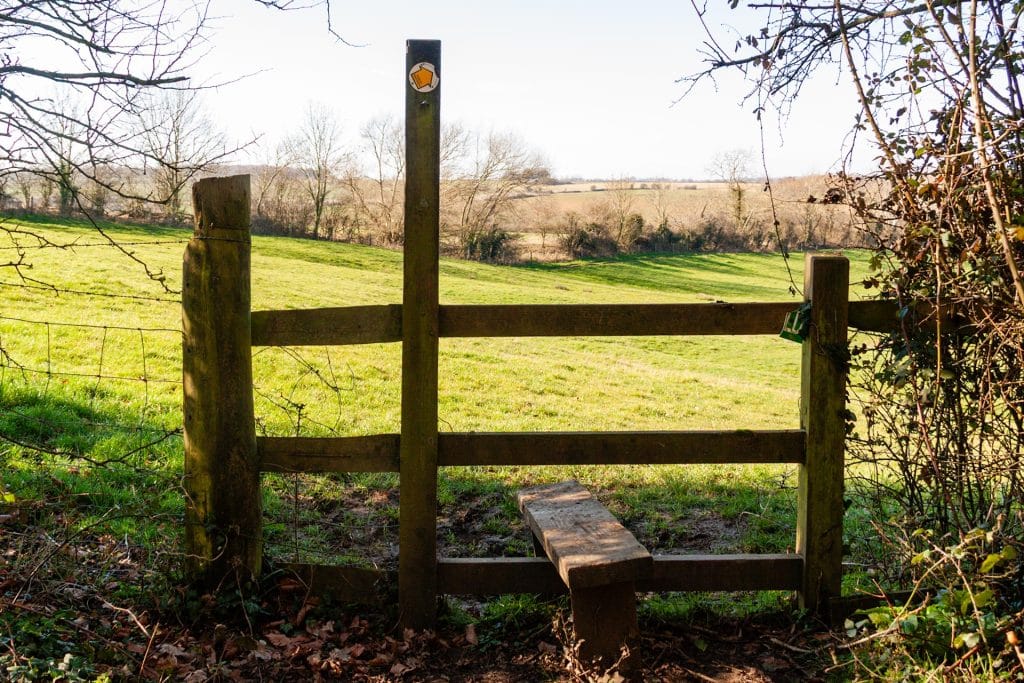
Cotswolds villages are connected by footpaths that cross farmland, and those paths are uneven, often muddy, and occasionally shared with livestock. Trainers with smooth soles are genuinely a bad idea for anything beyond a stroll down a village high street. Walking boots or sturdy walking shoes with a proper tread are the single best thing you can pack, anyone who walks these paths will tell you this firmly, having watched people skating down wet limestone every weekend.
Even in a dry summer week, some sections stay boggy. In winter, assume mud everywhere that is not tarmac.
For village wandering rather than walking, comfortable flat shoes are fine, but remember that the pavements are old, the lanes are cobbled in places, and the pretty villages involve more uphill than the photographs suggest.
A quick word on seasons
Spring and autumn: layers and a waterproof, always. The weather changes by the hour and the wind on the high wolds is keener than the postcard implies.
Summer: warm days, but evenings cool off quickly, especially if you are eating outside. Bring a jumper or light jacket for after dinner. A sun hat earns its place in July and August.
Winter: proper coat, hat, gloves, and accept the mud. The villages are at their most beautiful and least crowded, and nobody is judging anybody’s outfit in a Cotswolds December.
The thing nobody says out loud
Some of the smarter hotel dining rooms attract a country-set crowd who look like they were born in tweed, and no outfit you buy for the trip will make you read as one of them. Good news: it does not matter in the slightest. You are not trying to pass as local gentry, you are trying to have a nice dinner, and the staff at these places look after visitors from all over the world every single night. Wear something you feel comfortable in, aim for smart casual, and spend your energy on the menu instead.
What not to bother packing
A suit, unless you are here for a wedding. High heels, unless you enjoy cobblestone roulette. Wellies, unless you are visiting in deep winter or specifically planning farm visits, because decent walking boots do the same job and you can wear them all day. And anything you would be upset about getting muddy, because it will get muddy.
Frequently asked questions
Is there a dress code at Cotswolds pubs?
No. Walking gear is normal at lunchtime and clean casual clothes are fine in the evening, even at food-led pubs. Just deal with muddy boots at the door.
Do Cotswolds restaurants require a jacket and tie?
Almost none require either. The most traditional manor house hotels, like Buckland Manor, are places where most men choose to wear a jacket at dinner, but the stated codes across the smart hotels are smart casual throughout.
Can I wear jeans to dinner in the Cotswolds?
Yes, almost everywhere, as long as they are dark, clean and untorn, ideally with a shirt or blazer to smarten the overall effect. At the most formal dining rooms, trousers are the safer choice.
What shoes should I bring to the Cotswolds?
Walking boots or sturdy walking shoes with proper tread for footpaths, plus one comfortable pair for villages and one presentable pair for dinner. Skip anything with smooth soles or heels.
Do I need to dress up for afternoon tea?
No. Afternoon tea at Cotswolds hotels is smart casual at most. Come as you would for a nice lunch.
Heading somewhere special for dinner? Our guides to luxury hotels in the Cotswolds and Cotswolds B&Bs cover where the good dining rooms actually are.